How to Spot True Athletic Potential in Modern Sport Breeds
Selecting the right partner can feel overwhelming when browsing Show Jumping Horses for sale, especially when subtle athletic qualities decide long-term success. Many buyers rely on instinct instead of analysis — and miss crucial signals. This guide sharpens your eye for structural strength, balance, mindset and energy, so you can recognise genuine potential long before the first jump. Each section reveals what truly counts when performance, reliability and future development matter.
Understanding What Makes Athletic Potential Visible
At first glance, every prospect appears elegant, elastic and eager. Look deeper. True talent reveals itself in a combination of biomechanics, mental steadiness and intelligent reactions. Buyers often focus on flashy movement, but shine alone doesn’t predict power or longevity. A promising athlete shows controlled rhythm, natural balance, supple joints and an alert but settled expression. When these elements align, you’re not just looking at a good mover — you’re observing a structure built for sustained performance.
The challenge: many qualities hide behind training, age or presentation. That’s why a systematic approach matters. It limits risk and helps you distinguish between temporary polish and inherent potential. The following criteria guide you through that process.
Key Physical Indicators Every Buyer Should Evaluate
Good structure supports efficiency. Poor structure creates stress on the body and shortens competitive careers. Start mit den Grundlagen: topline, shoulder angle, hip connection, pasterns, and hoof quality. No need for jargon — focus on functional purpose. A sloping shoulder improves reach. A strong coupling through the loin supports power off the ground. Clean joints suggest longevity.
Assess movement with the same clarity. Watch how the horse uses its back. Does the motion flow through the entire frame? Does each stride land softly and push with intent? An athlete with potential moves economically.
For buyers actively scanning Show Jumping Horses for sale, this structural awareness reduces misjudgment and reveals hidden strengths many overlook.
Evaluating Mindset and Reactivity Under Pressure
Physical ability means little without a brain that cooperates. The best performers combine boldness with self-control. Observe how the horse processes new surroundings: Does it tense up or adapt quickly? Does it overreact to small stimuli? You’re looking for a mind that stays attentive without boiling over.
Ask the handler to demonstrate transitions, small adjustments and a brief pause. The response shows more than any pedigree sheet. A horse that settles fast, breathes, and listens gives you the one trait money can’t replace: reliability. Buyers searching through Show Jumping Horses for sale often underestimate this mental component — yet it decides whether talent becomes performance.
The Role of Age, Training Level and Future Development
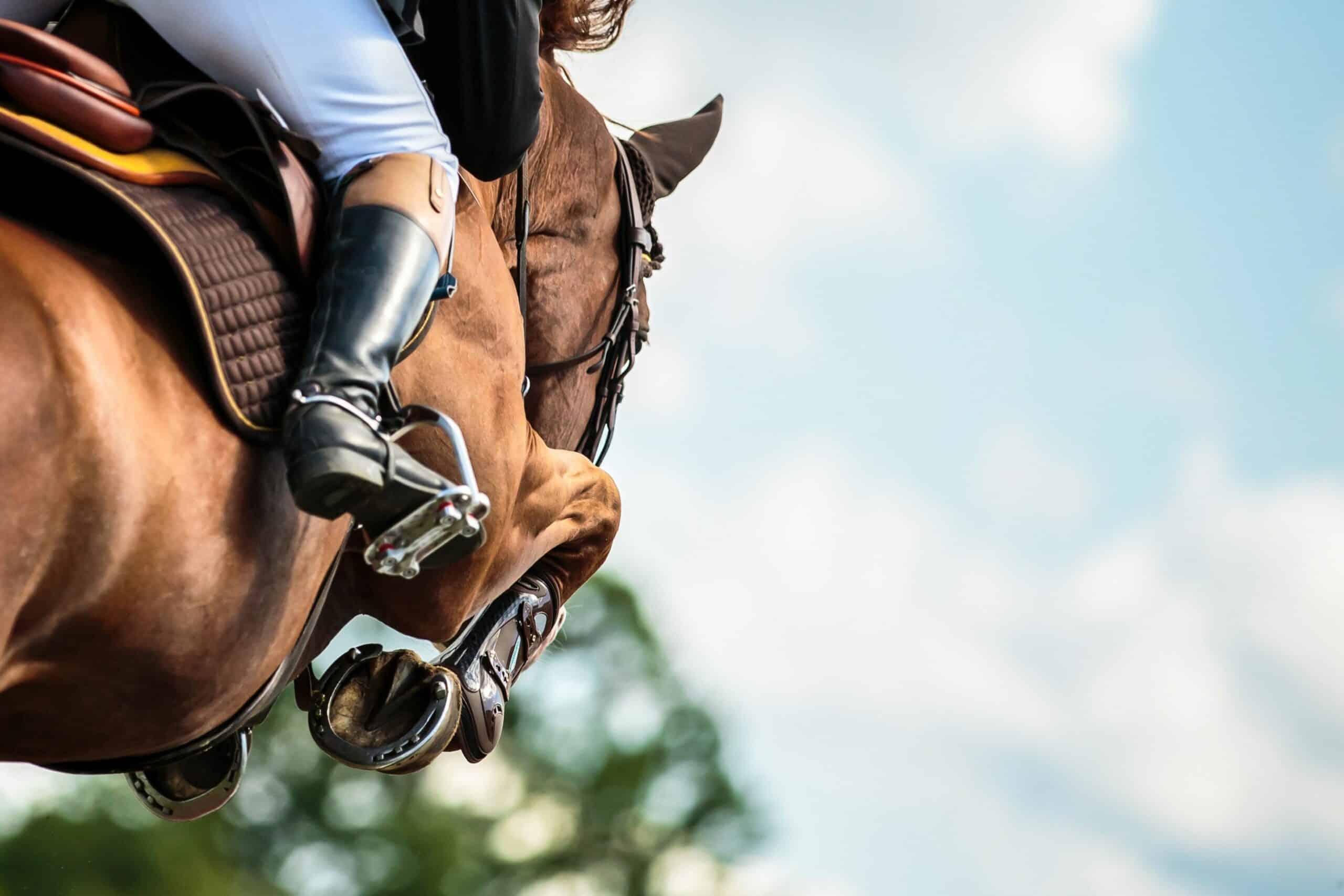
A young horse with modest experience can show more long-term promise than an older one with polished manners. The art lies in separating what is trained from what is innate. A slightly green prospect with correct mechanics, curiosity and courage often delivers more upside than a fully schooled partner with limited scope.
Analyse whether training supports the natural frame. When training forces a horse into an artificial outline, the movement lacks authenticity. Instead, look for simple, honest exercises: forward, straight, relaxed. Horses trained this way reveal true ability without disguise. This approach helps buyers navigating Show Jumping Horses for sale better compare prospects across different ages and preparation levels.
Why Professional Evaluation Accelerates Better Decisions
An experienced eye identifies patterns that casual buyers miss. Subtle asymmetries, behavioural inconsistencies or mechanical restrictions become visible only through routine assessment. Bringing a trusted expert removes guesswork and safeguards your investment.
A professional also interprets long-term potential. They don’t focus merely on present performance but on what the horse might deliver in two seasons — a crucial distinction when top prospects evolve at different speeds. Even the most enthusiastic buyer benefits from unbiased guidance, especially when reviewing Show Jumping Horses for sale across various price ranges and training backgrounds.
Buyer’s Performance Checklist 📝🐎
| ✓ | Assessment Point |
| ⬜ | Verify recent training logs to ensure the horse follows a consistent, structured routine 📘 |
| ⬜ | Request raw, unedited videos to judge authenticity of movement and behaviour 🎥 |
| ⬜ | Check recovery time after exertion to gauge stamina and cardiovascular fitness ❤️🔥 |
| ⬜ | Confirm shoeing schedule and look for farrier notes that indicate long-term hoof stability 🧲 |
| ⬜ | Inspect ground manners during basic handling — loading, tying, grooming 🧼 |
| ⬜ | Ask for veterinary records from the last 12 months to identify patterns, not just issues 🩺 |
| ⬜ | Observe feed routines and clarify whether the horse maintains condition easily 🍀 |
| ⬜ | Evaluate behaviour around other horses to understand herd dynamics and social stability 🐴 |
| ⬜ | Discuss long-term management needs such as turnout preferences or sensitivity to stress 🌿 |
| ⬜ | Check competition or schooling environments the horse is already accustomed to 🏅 |
Reading Talent With Precision
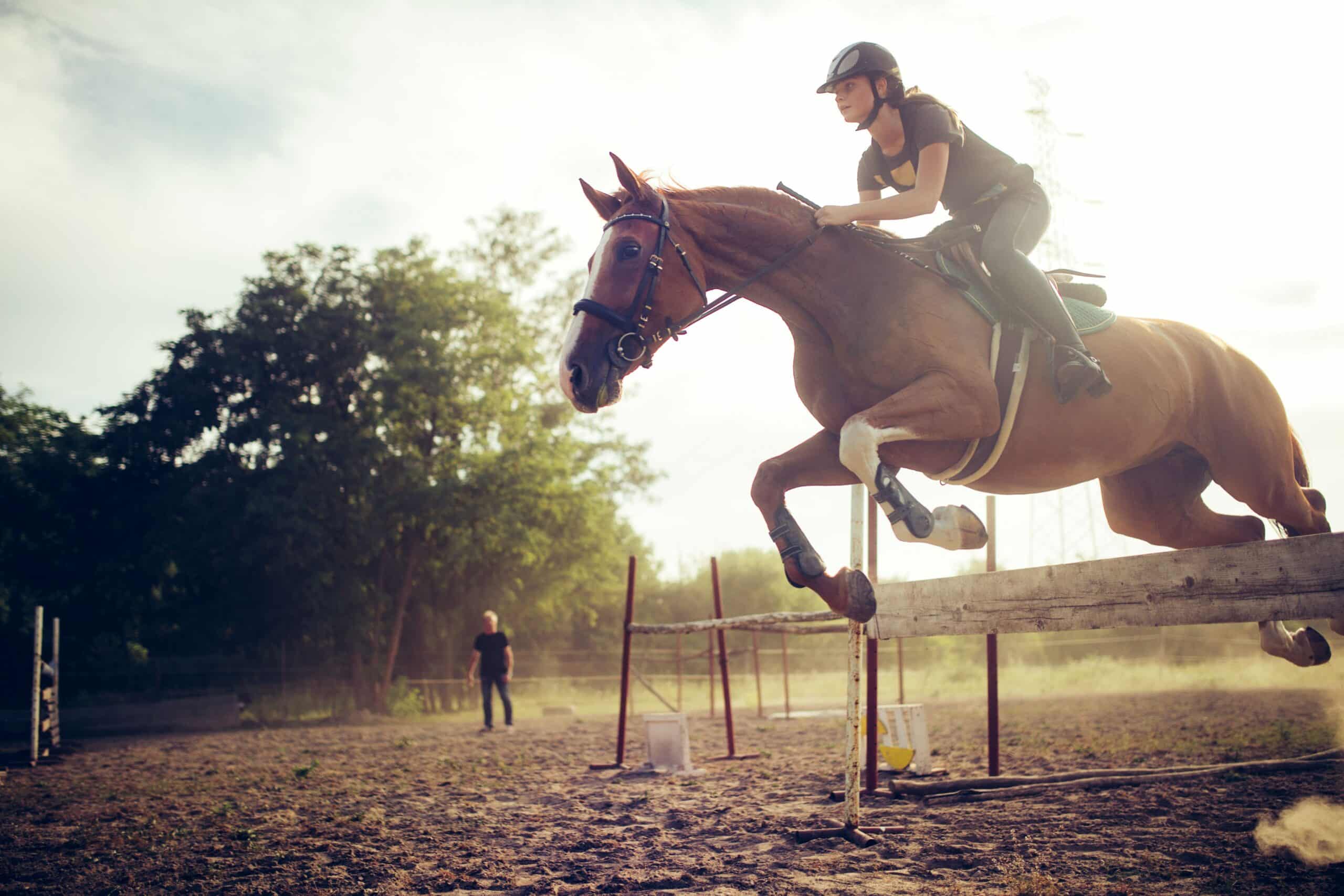
Athletic potential isn’t mystical; it becomes visible when you approach each prospect with structure, curiosity and a clear set of criteria. By observing biomechanics, mindset and genuine movement, you recognise ability that endures — not just ability that impresses in the moment. With trained awareness and, if needed, expert support, your next choice among Show Jumping Horses for sale becomes a confident, informed decision grounded in clarity rather than guesswork.
Image source: skumer, Marcin Kilarski/Wirestock Creators, NDABCREATIVITY, Adobe Stock